Words by Adam Gordon and Stephan Papadakis
Motorsports of all kinds are a blast for all involved, and we know that lots of people in our audience are keen to get started on the track if they haven’t already. If you don’t know where to start, we’ve put together a quick guide on the basics of setting up your vehicle for different motorsports. While the science behind maximizing performance in each can get pretty complex, this basic guide should give you everything you need to know to get started.
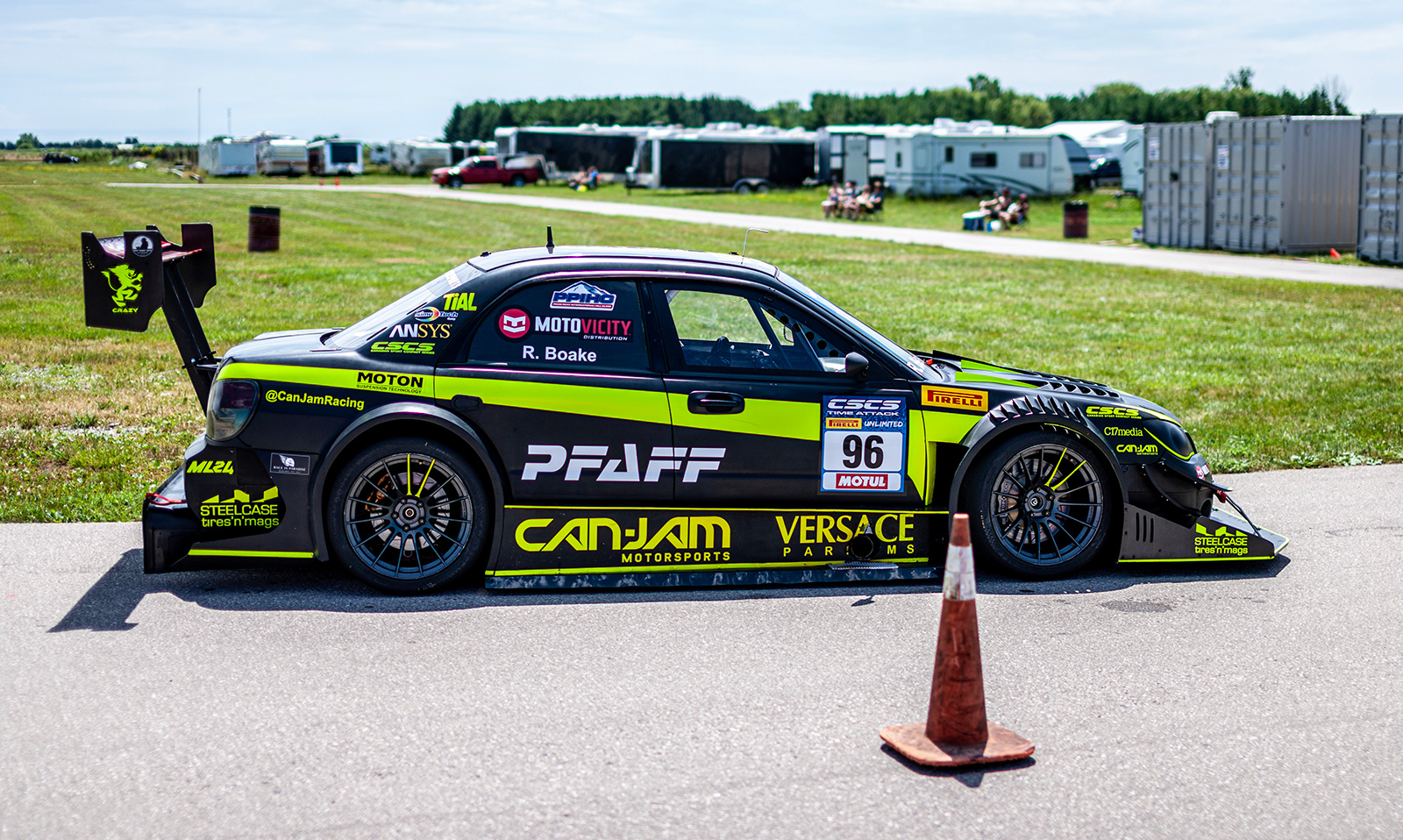
TIME ATTACK
Photo by Karl Nagel (@pitlane.media)
Brakes:
- High temperature brake fluid
- Racing brake pads
- Heat-dissipating rotors
Wheels/Tires:
- Grippy tires possible on all corners (R-compound if possible).
- Lightweight wheels help reduce unsprung weight which helps handling over bumps and corner speed, in addition to improving overall acceleration.
Suspension/Chassis:
- Stiffer spring rates. With increased grip, higher spring rates will help control body roll.
- Rigid chassis upgrades such as sway bars and strut braces. This helps with suspension tuning, as you want movement to come from tunable suspension - not the chassis itself.
Engine/Drivetrain:
- Power delivery focused on acceleration rather than top speed.
- Constant full throttle can require a higher capacity cooling system. Additions such as a larger radiator, or external oil coolers will help manage temperatures.
Exterior/Aero:
- Canards
- Splitters
- Diffusers
- Spoilers for added downforce
Interior:
- Roll cage
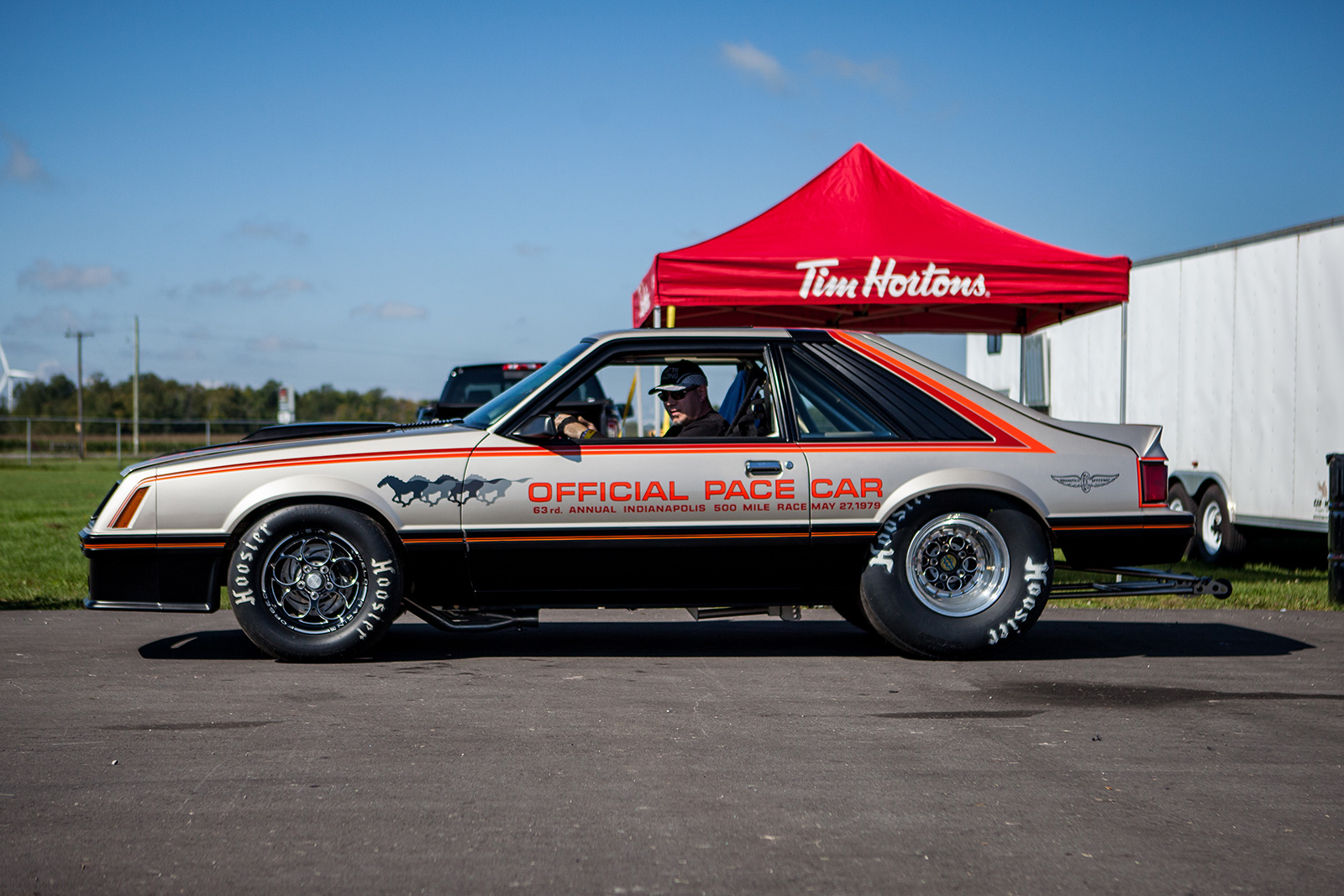
Photo by Dave Thomas (@yodavethomas)
Motorsports of all kinds are a blast for all involved, and we know that lots of people in our audience are keen to get started on the track if they haven’t already. If you don’t know where to start, we’ve put together a quick guide on the basics of setting up your vehicle for different motorsports. While the science behind maximizing performance in each can get pretty complex, this basic guide should give you everything you need to know to get started.
DRAG RACING
Brakes:
- Powerful enough brakes to stop the car at the end of the strip.
- Parachute if you’re getting crazy.
Wheels/Tires:
- Beadlock wheel/tire combos on the drive wheels. With high horsepower and lots of grip, wheel/tire combos without beadlocks or wheel screws can actually spin loose from each other.
- Drag slicks for drive wheels
- Skinny non-drive wheels
Engine/Drivetrain:
- The more power the better.
- Quick-shifting transmission such as a dog-box, sequential, or dual-clutch transmission.
- Higher capacity clutch to handle high torque.
Exterior/Aero:
- Focus on reducing overall drag. By the first 1/8 mile, drag cars can already be travelling above 100 mph. Reducing drag means faster times.
Interior:
- Adequate safety equipment depending on the governing competition body, such as roll cage, fire extinguishers, harnesses and HANS devices, and safety nets.
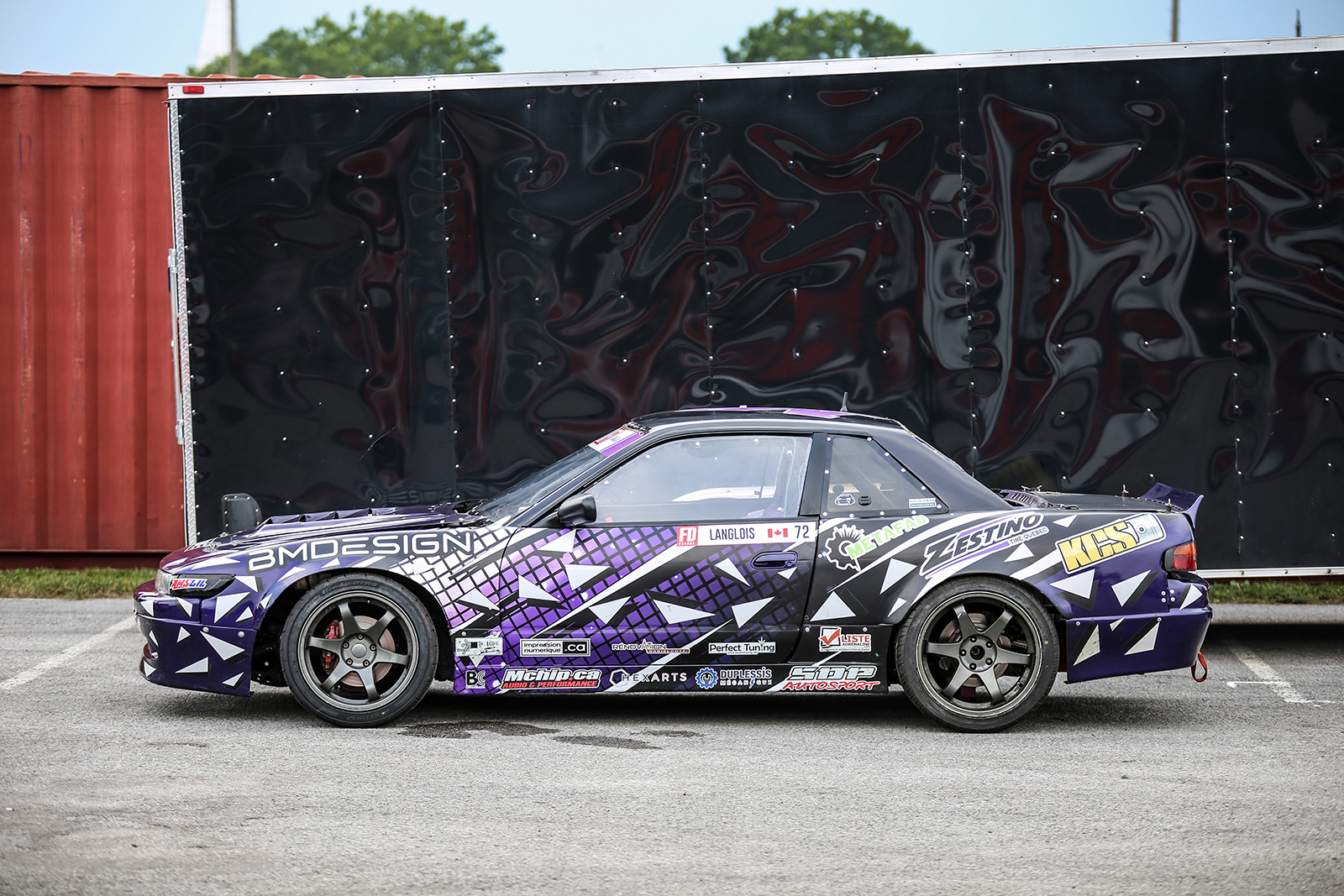
Photo by Christopher James (@chris_vq)
Motorsports of all kinds are a blast for all involved, and we know that lots of people in our audience are keen to get started on the track if they haven’t already. If you don’t know where to start, we’ve put together a quick guide on the basics of setting up your vehicle for different motorsports. While the science behind maximizing performance in each can get pretty complex, this basic guide should give you everything you need to know to get started.
DRIFTING
Brakes:
- Stock brakes will work, but it’s wise to upgrade as you get faster
- Optional hydraulic hand-brake to lock up rear wheels instantly on demand.
Wheels/Tires:
- Grippy tires up front - grip can be optional in the rear.
- High treadwear in the rear = more seat time
- Wider front track width to help with stability and overall control.
Suspension/Chassis:
- Lower is better, but make sure there is enough suspension travel before the bump stops.
- Stiffened front end to reduce roll and help control. Softer rear to maintain grip while sideways.
- Front negative camber for transitioning full-lock turns. This helps keep the front tires flat - as well as helping braking performance - while counter-steering.
Engine/Drivetrain:
- All power levels can play here, but high level competition means higher power as overall speeds and grip increase.
- Power delivery tuned more towards quick response rather than high numbers.
- Stock transmissions and axles will suffice at low power.
- Upgraded transmissions/axles as power levels climb.
Exterior/Aero:
- Style is paramount in drifting, so body kits and style upgrades are encouraged
Interior:
- Bucket seats to keep the driver in place.
- Safety equipment such as roll cages and fire extinguishers.